
Making a Classic Persian carpet, Part 2: Material
The process of acquiring materials initiates once the design is confirmed. Typically, the production director, often responsible for commissioning the design and providing financial support for the project, makes decisions regarding materials and selects the weavers. In some cases, the designers themselves take on the role of production director and oversee the entire process.

pic.1; Some producers prefer to buy the wool directly from the nomads and supervise the process of yarn production from very beginning.
The selection of materials and their quality play a pivotal role in shaping the ultimate appearance of a carpet. Several factors influence this choice, including knot count, market appeal, cost considerations, the project's overarching goal (whether to produce a work of art or a functional rug for daily use), and economic factors. The most common materials producers choose from are wool, silk, cotton, and often a combination.
Considering the structure of a classic Persian city carpet, which consists of warp (seen as the fringes of the rug), on every pair of which a knot is tied (forming the pile), and two threads of weft (that hold the knots and warps together and are hidden from our view), it could be one of the following combinations:

Pic 2: Combination of silk and wool as pile, on cotton base (Warp) and two threads of cotton weft. this is a carpet from ardabil in which for a short period of time, in 1980s, such composition became a trend among the producers.
Pile: Wool - Warp: Cotton - Weft 1: Cotton - Weft 2:Cotton (The carpets of such composition are much more common; they are hard-wearing and firm; there are many antique pieces in this combination that are in the museums and worthy of connoisseur collectors)
Pile: Wool - Warp: Silk - Weft 1: Cotton - Weft 2:Cotton (This composition makes the rug’s back softer. Using silk as a base makes knotting finer knots easier, so generally used for more refined rugs)
Pile: Wool - Warp: Silk - Weft 1: Silk - Weft 2:Cotton (adding the silk weft has no aesthetic effect; it makes the back even softer than option 3)
Pile: Wool - Warp: Silk - Weft 1: Silk - Weft 2: Silk (Such composition is used for superfine rugs. Silk warps (base) help the weaver to achieve greater horizontal density, and at the same time the fineness of the wefts reduces the space between the rows of knots to help achieve greater vertical density)
Pile: Wool and Silk - Warp: Cotton - Weft 1: Cotton - Weft 2:Cotton (adding silk to the pile enhances the smoothness partially, and the dual texture could make a more appealing aesthetic for some. This composition is extremely rare for a classic Persian carpet as the number 3 refer to picture number # for an example)
Pile: Wool and Silk - Warp: silk - Weft 1: Cotton - Weft 2:Cotton (In such rugs silk highlights or flowers enhances the aesthetics and creates additional posibilities for designer to play with the texture)
Pile: Wool and Silk - Warp: silk - Weft 1: silk - Weft 2: Cotton (It is same as number 6 but using silk for one weft results in more supple handle for the rug)
Pile: Wool and Silk - Warp: silk - Weft 1: silk - Weft 2:Silk ( refer to number 4, using silk as highlight or flowers or field would impact aesthetics and if in large volume, it could enhance the smoothness.)
Pile: Silk - Warp: Cotton - Weft 1: Cotton - Weft 2:Cotton (a very unusual and rare combination for Persian rugs but very common in Indian Kashmiri products. A carpet with such a composition would have a smooth but coarse texture but stiffer back than when silk is used as one or both wefts and the warp)
Pile: Silk - Warp: silk - Weft 1: silk - Weft 2: cotton (smooth and shiny texture stiff handle)
Pile: Silk - Warp: Cotton - silk 1: silk - Weft 2: silk (smooth and shiny very su

photo by: Mohsen zeinalabedini
The fame of Persian carpets is partly due to the exceptional quality and durability of locally sourced wool. Traditionally, this wool is spun and dyed using natural materials like madder root, indigo, walnut skin, turmeric, pomegranate skin, hay, etc.

natural dyestuff
Spinning and dyeing the yarn are tedious and time-consuming processes. Hand-spun wool is often preferred over machine-spun wool, and skilled women in nomadic and mountainous areas produce the most suitable yarn for rugs.

Dying the yarn is done by skilled dye masters using ancient methods, often in small pots and small quantities. This artisanal practice results in the magical colours one can observe in a Persian carpet.

photeo: Marçal Vaquer
Here are some of the most common natural dyes that are popularly used in Persian carpets:
Madder: This dye is obtained from the madder root, scientifically known as Rubia tinctorum. It goes by various names, such as Rose Madder, Common Madder, or Dyer's Madder. Madder is derived from a perennial herbaceous plant belonging to the Rubiaceae family, including bedstraw and coffee plants. It offers a broad spectrum of red shades, ranging from deep to light, often with a subtle hint of orange in the hue.
Pomegranate: Pomegranate skin is used to achieve colours from beige to dark grey.
Prangos: Prangos Ferulacea is a favoured choice among Persian dye masters, producing various colours, from yellow to brown.
Indigo: Indigo dye is renowned for its distinctive blue hue. The plant responsible for this dye is Indigofera tinctoria, and the dye itself is extracted by fermenting the leaves of the plant.
Isatis: Utilized for creating blue tones.
Oak Bark: Oak bark yields light shades of brown.
Cochineal: Cochineal is employed to achieve deep red hues.
Artisan dye masters employ these and many other plants, drawing on the knowledge passed down through generations. They produce a captivating spectrum of colours in the yarn they dye for Persian carpets by skillfully mixing these dyestuffs and using traditional techniques.

The weaver is skillfully tying knots onto cotton warps, with blue cotton wefts that are visible above the row of knots.

Making a Classic Persian carpet, Part 1: Designing.
The intricate patterns of Persian carpets draw inspiration from various sources, including centuries-old traditions, legends, architecture, nature and modern art. These designs are meticulously planned, with designers carefully considering every detail. This level of attention and planning before weaving distinguishes Persian classic carpets from other types, such as tribal rugs.

A palace in Isfahan, 17th century.
The 16th and 17th centuries marked significant periods in Persian carpet design, as the Safavid dynasty witnessed a flourishing of the arts. The Safavid kings were great art patrons, leading to an artistic renaissance. Many classic Persian carpets feature designs inspired by intricate ceramics, paintings, book covers, and other art forms from that era.
These designs often emphasise symmetry, order, and an elaborate centre, which serves as the focal point, surrounded by motifs resembling stylised flowers and other details, seemingly converging towards the centre.
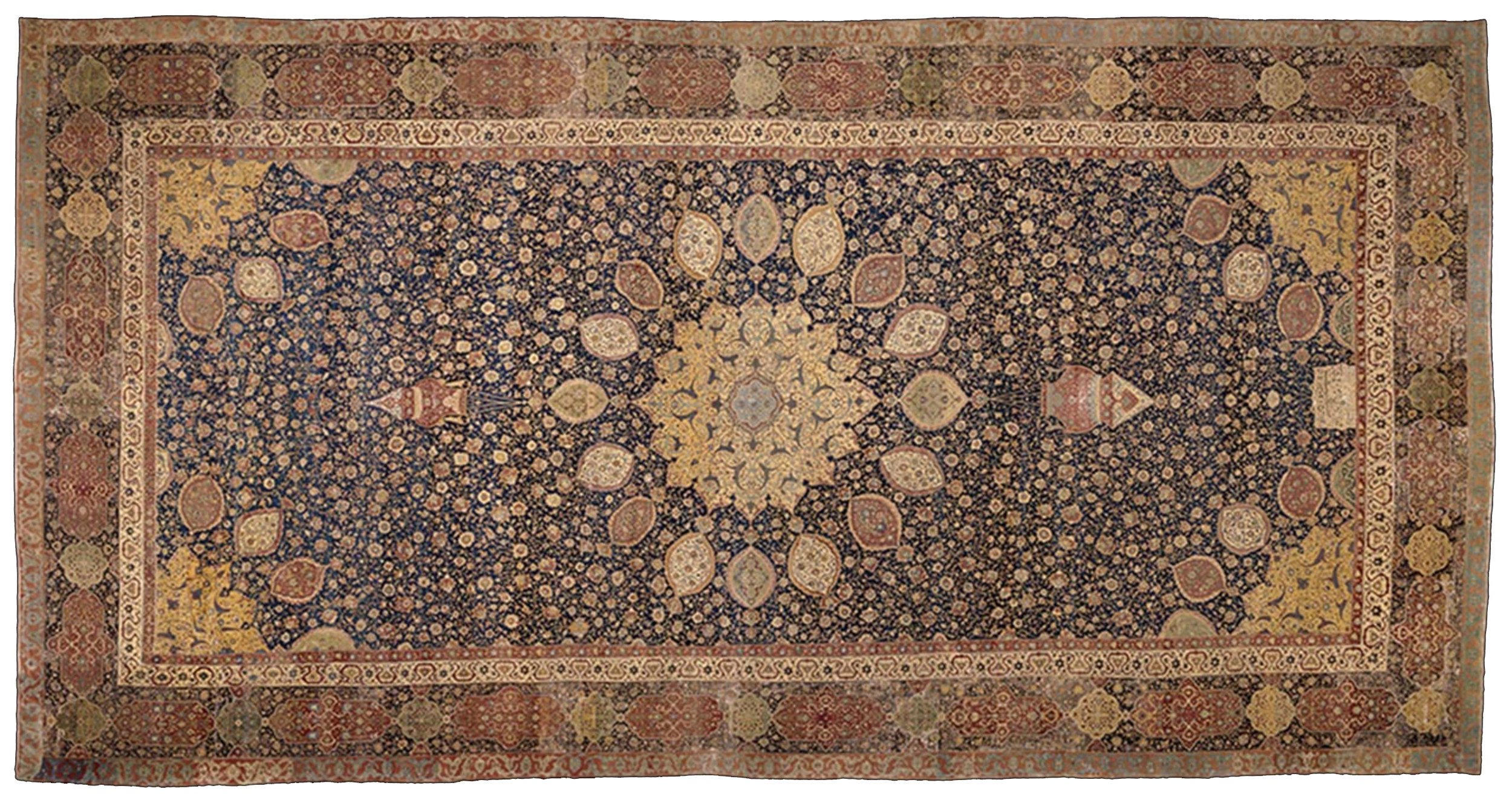
The Ardabil carpet.
This approach aligns with the beliefs and teachings of the mystic scholars of the Safavid era. The dynasty's founder, Safi Ali Shah, was a devoted follower of Sufism. In their philosophy, achieving the perfect form, the almighty and supreme being, is a quest attainable through personal endurance and practice. Consequently, designers often portrayed half-bloomed motifs pointing towards a fully bloomed flower at the centre.
This central medallion also resonates with Gustav Jung's concept of the "self," illustrating the universal appeal of these patterns and alluding to the theory of archetypes and collective memory.

A superfine isfahan, nishaburi family collection.
One of the most popular Persian carpet design styles is the "Shah Abbasi" pattern, rooted in the designs of the Safavid era. Nevertheless, contemporary artists have also developed numerous other styles and original designs.

An antique tabriz carpet in an unusual pattern.
Creating the final pattern for a Persian carpet begins with sketches and drawings, then refined and translated into a pixelated format on graph paper. Each square on the graph paper corresponds to a knot, with the designer painstakingly calculating and specifying the number and colour of each square.

Design of a carpet
Although this process may span several months, it is essential to ensure the precision and beauty of the final product.
More information to come…
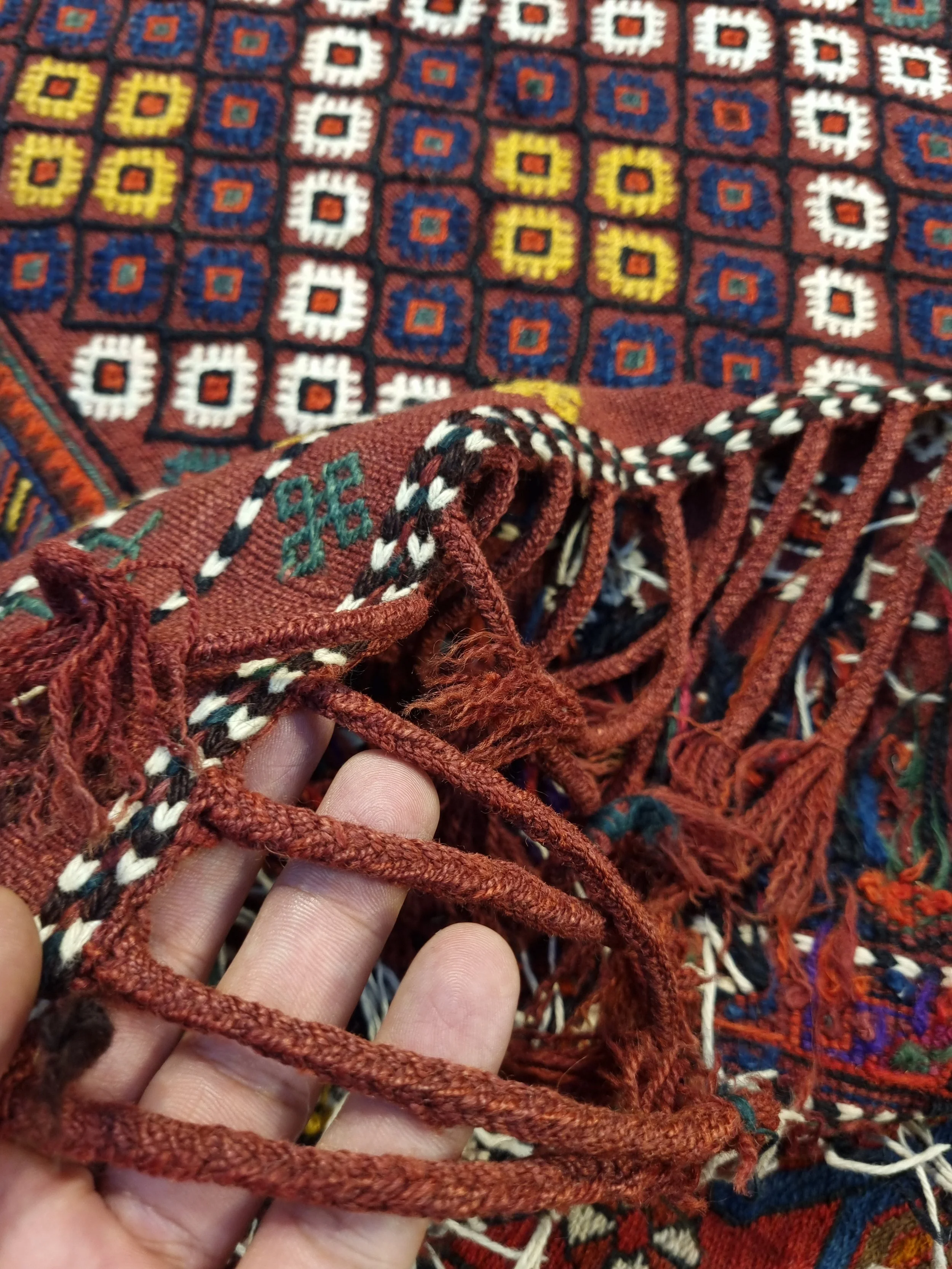
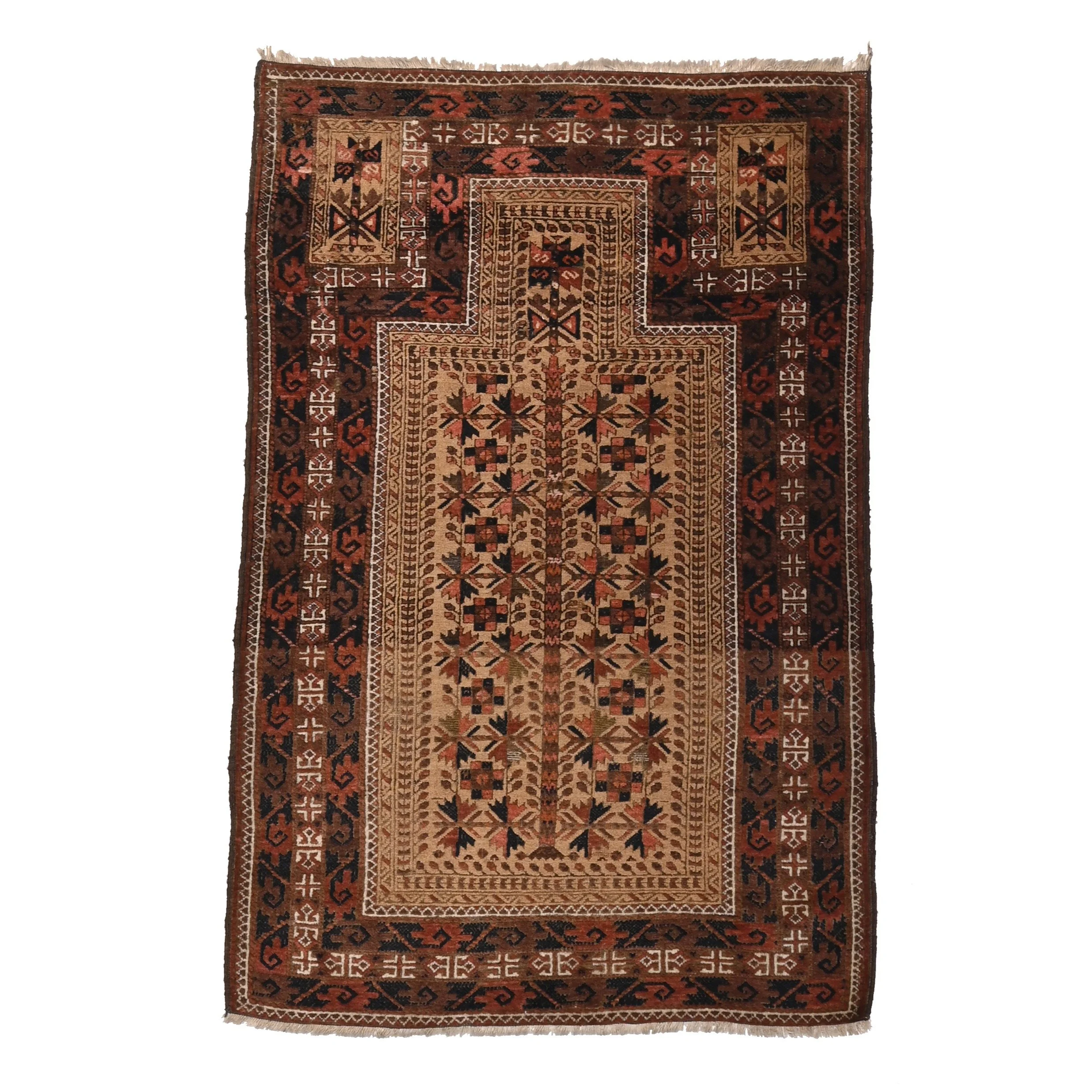
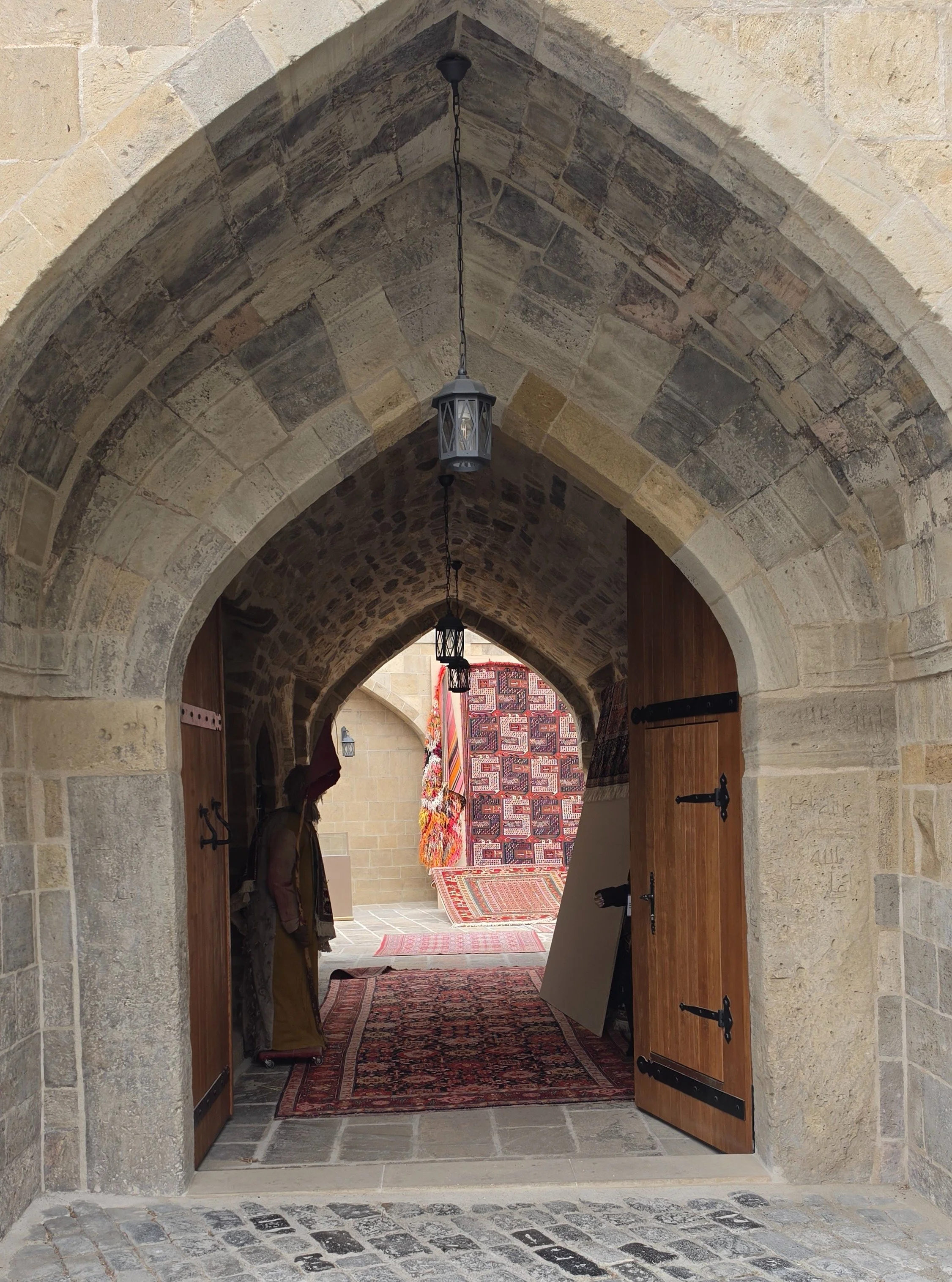
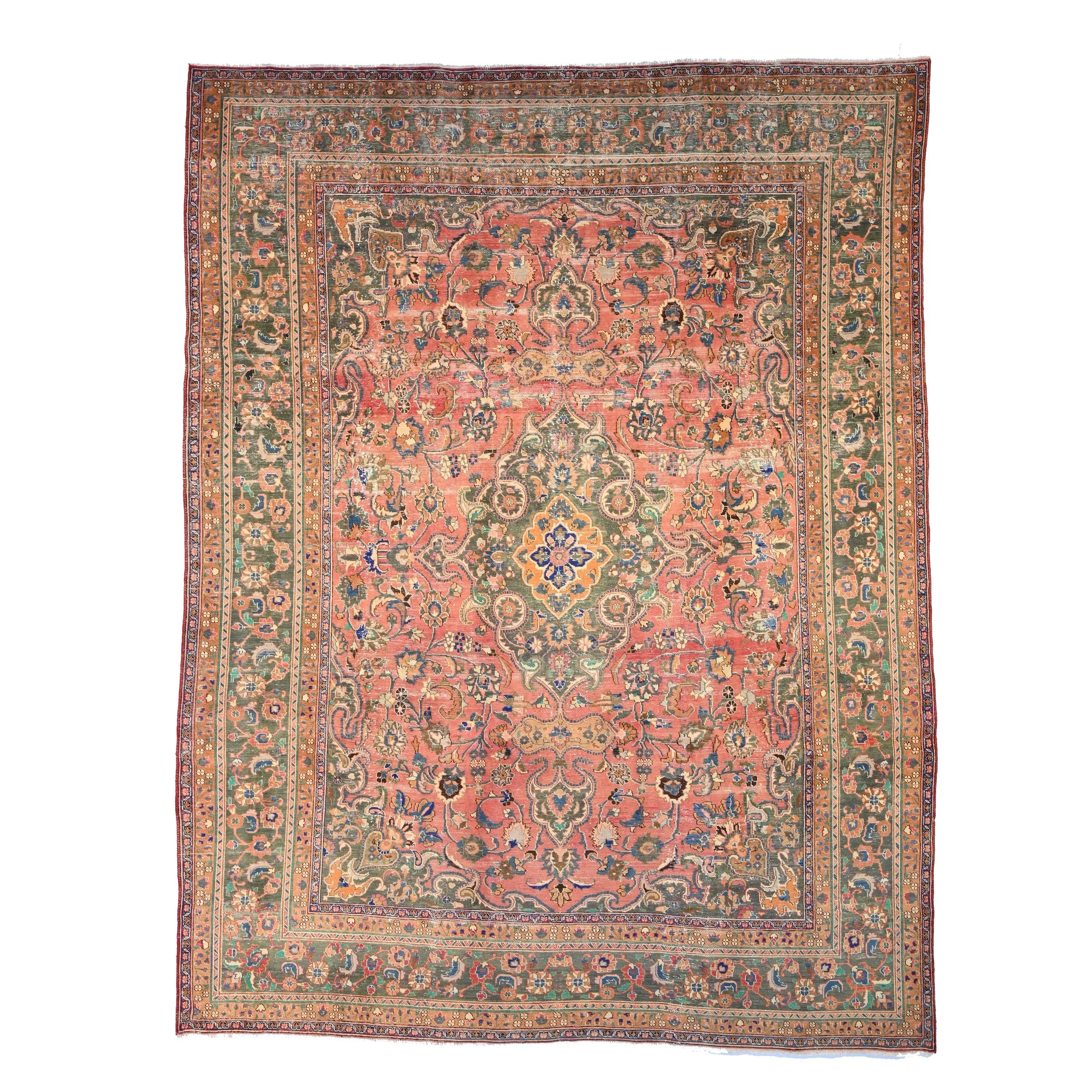
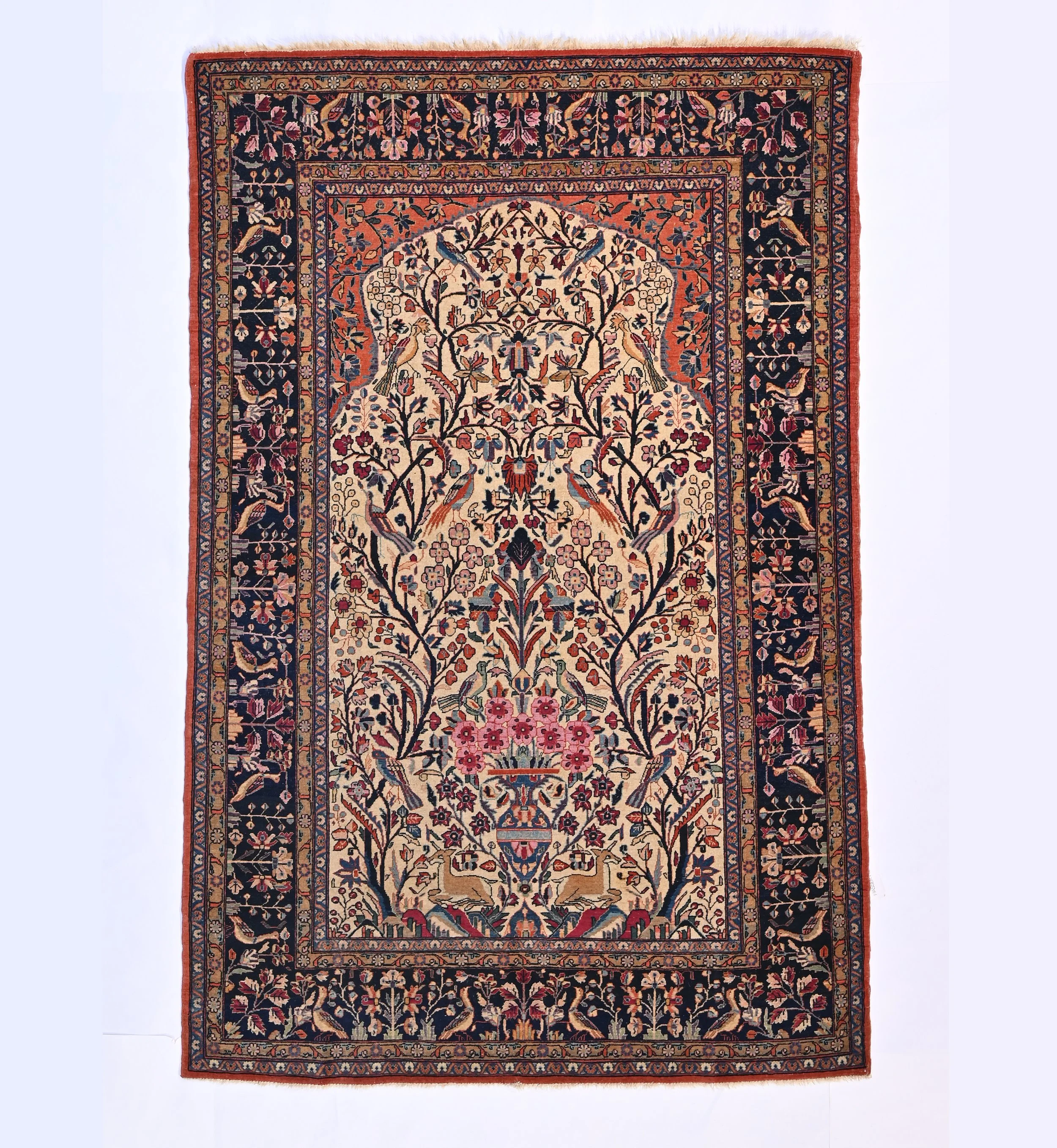
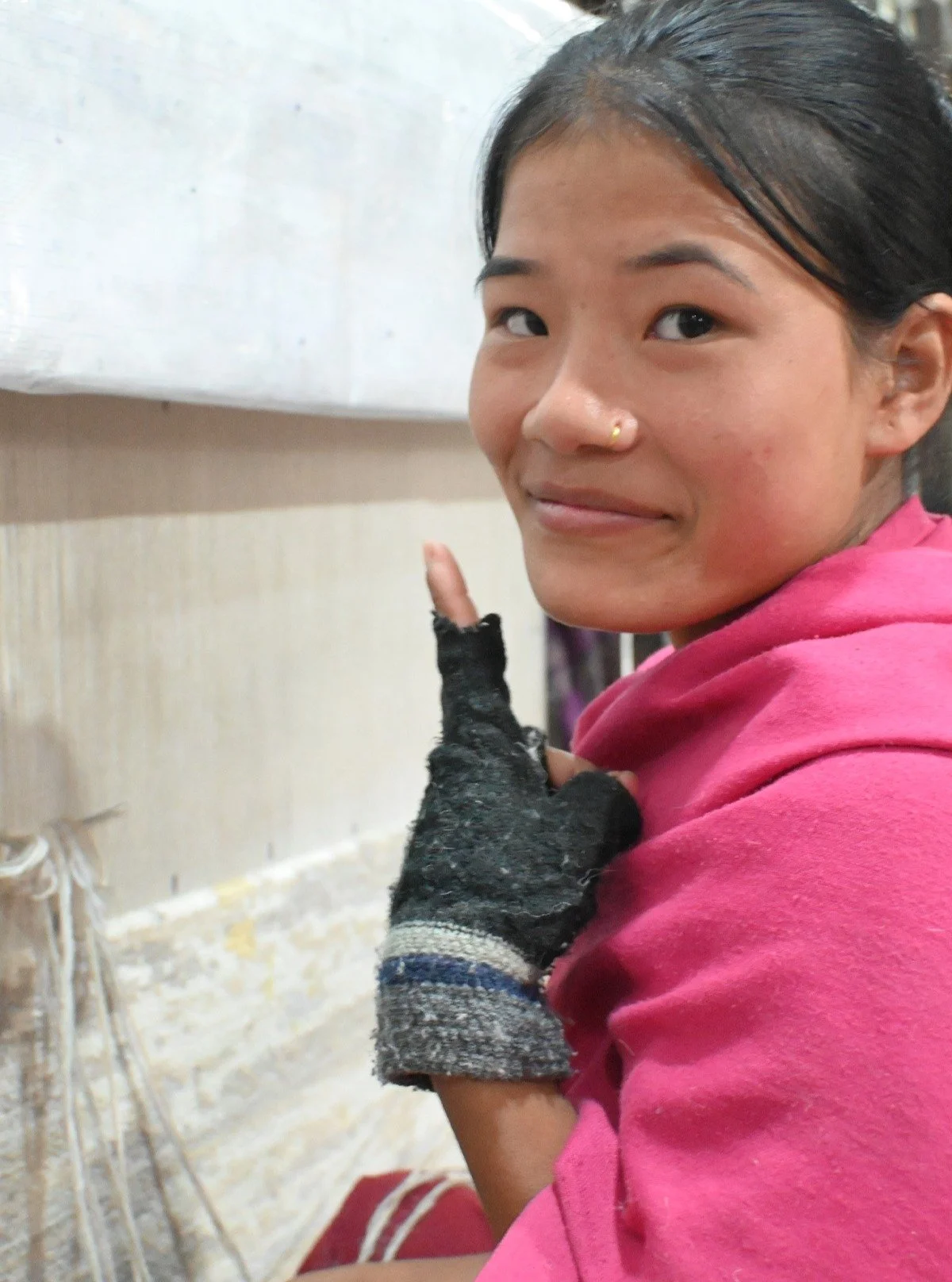
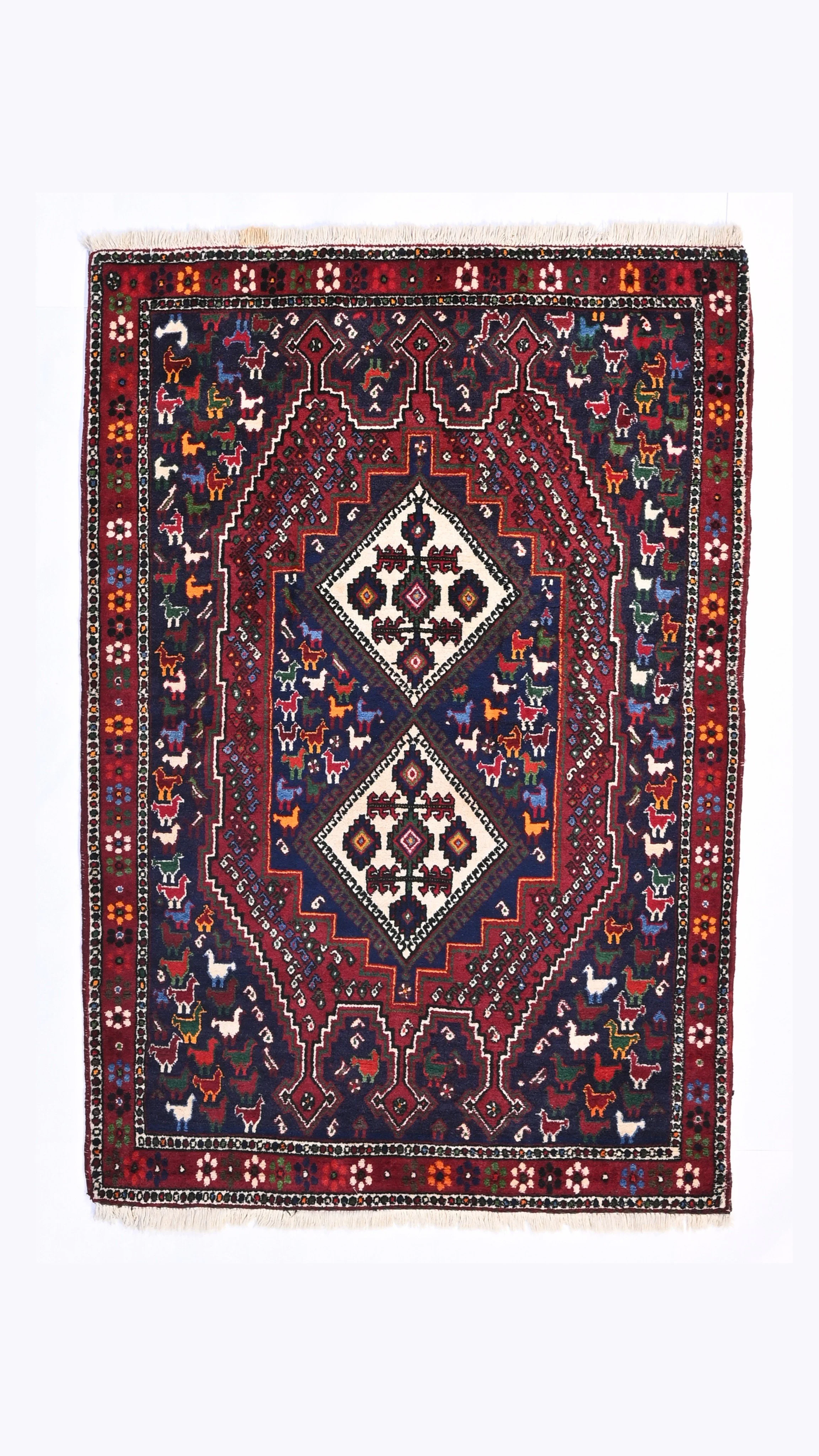
Her story.
I wish this rug could talk and tell me her story. Many don’t but some do. Like the Qashghai rug that my daughter took her first steps on or the antique green kilim that my wife walked on, when she entered our apartment in Singapore for the first time, 25 years ago. Or the Kurdi rug that saw my hard times in Chile during the “Asiatic crisis"... To me , they are keepers of memories. To me, any space where I spread one of my “story teller" rugs vibrates with life and feels “home". And in such dark times, we are so in need of the calm and comfort that every home must provide. Do you have a rug that talk to you? Have you ever experienced the feeling?


A little secret...
Photo by Mehdi Monem (مهدی منعم)
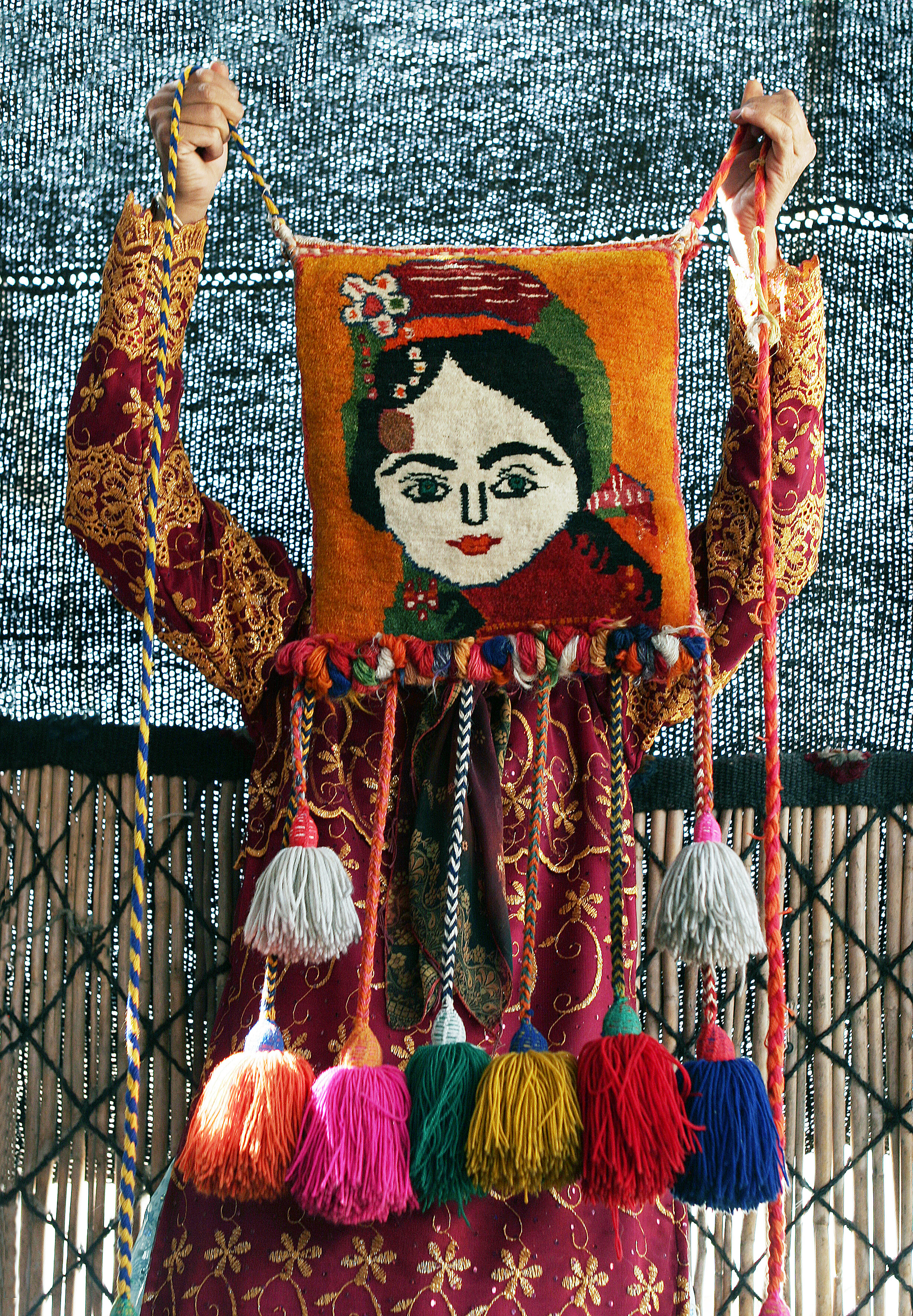
"And now here is my secret, a very simple secret: It is only with the heart that one can see rightly; what is essential is invisible to the eye."
Antoine de Saint-Exupéry
And, it is the same with rugs, you may see the aesthetics with your eye but only feel and see with your heart, the vibrancy, and energy of the person who has intertwined her soul, her love and sensations into a rug.
In love
Often, in our frequent buying ventures, I encounter rugs that I fall in love with like this magnificent “Arab Jangi” carpet from southern Iran. One should observe the fact that the tribal lady who has woven this rug in the late 19th century, has created a detailed pattern spontaneously from memory as she has woven the rug. Such artistry requires a very powerful and artistic mind.
This rug is one that if purchased, would be hard to sell. I am still negotiating for the piece and looking forward eagerly to have this soon.
It would be a great pleasure to have the rug washed and restored. I am sure it would be even more of a stunner.


Tribal rugs
Tribal rugs are created from heart and represent a fast diminishing lifestyle.
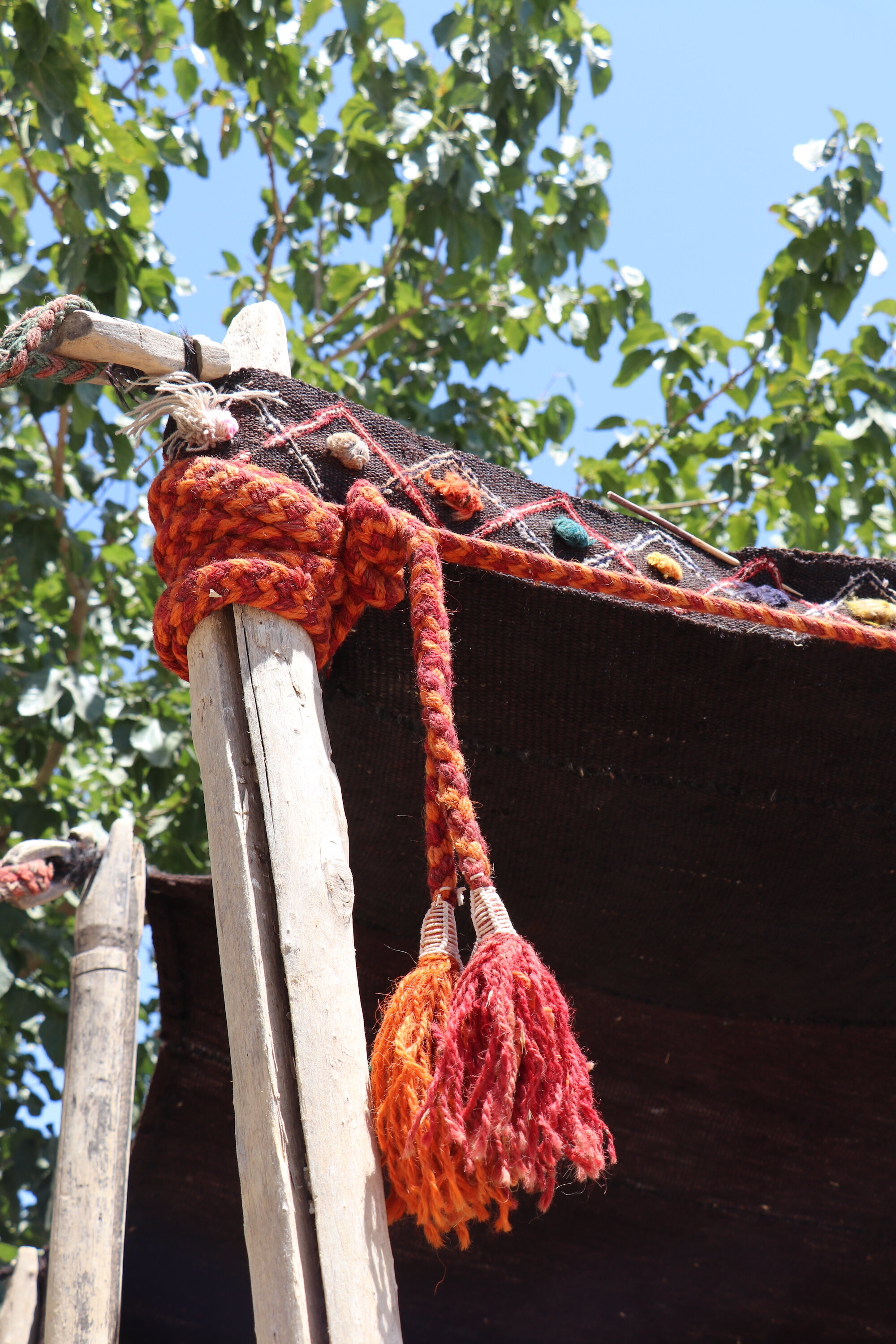
Rugs are inventions of shepherd tribes whose descendants later crated villages and cities, kingdoms and empires. For them having a floor covering was a “must” and necessity. The need that was primitively fulfilled with leaves and animal skins.
As humans developed a taste for sophistication and beauty and skills and knowledge to weave, the floor coverings evolved over thousands of years to become rugs in the form that we know today.
Rugs are mentioned in scripts, as ancient of bible and always admired as object of beauty and grandeur.
The oldest rug discovered, is known as Pazyryk a Persian carpet that was found preserved in ice, in a tomb in Altay mountains. The rug was among the treasures that was buried with a Saka prince. A magnificent piece that shows the highest level of technical proficiency and artistry to make us believe that rugs have been produced for thousands of years and treasured as art and luxury.
The inventors of such an ancient craft still continue to weave their rugs in the same way of their ancestors; they produce wool, gather herbs and vegetables that they need for dying while herding their sheep from one place to another, hand spin and color the yarn all by themselves within the family.
Tribal rugs are always treasured by collectors as objects that carry forward a valuable and historic culture and tradition.
Contrary to city or court carpets that are woven to sell based on market demand by weavers who follow the pattern as ordered, tribal rugs are still made from memory. Knot by knot the tribal ladies create magnificent pieces in which they pour all their feelings and sentiments as they weave their rugs from memory.
Such rugs are true and honest reflections of feelings and characters of the weavers. Many of these rugs are filled with amazing mass of exhuberance that is generated by weavers free spirit, beautiful mind and love of life. Such rugs vibrate with life and love that can brighten the mood of every ambient.
As such rugs are one of a kind and impossible to duplicate, each tribal rug is unique and exclusive piece of art.
Hundreds and thousands of years of weaving tradition has resulted in development of designs and patterns that vary from one family to another and passed down from one generation to another. Designs are often symbols, some of which are as ancient as history.
Such symbols make tribal rugs more interesting, charming and more sophisticated. Tribal peace are not just artistic production of skillful hands but creations of beautiful minds.
To be continued…
